Water quality is manmade. It's the disinfection layer: chlorine, salt cells, UV, ozone, whatever's keeping the water free of things that could make you sick. That's the part most pool services obsess over, because it's the part a customer can see (clear water, no algae, no smell). Quality has very little to do with balance.
Water balance is something else entirely. It's whether the water itself is content. Whether it's at peace with its surroundings. The shorthand we use for that is the Langelier Saturation Index, or LSI for short.
The simplest way to think about LSI
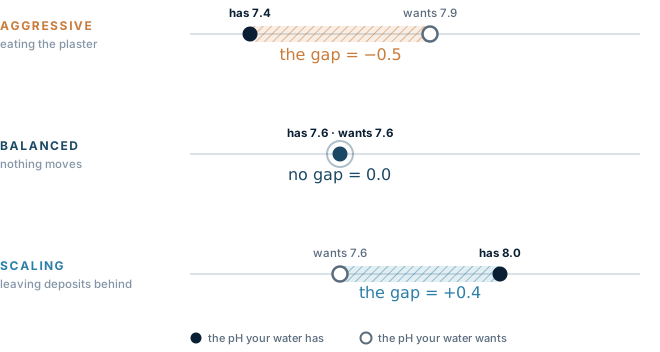
LSI is the difference between the pH the water has, and the pH the water wants.
Water wants to sit at a particular point of equilibrium based on its temperature, alkalinity, calcium hardness, and total dissolved solids. When it's right at that point, the LSI is zero. The water is happy. It isn't trying to give anything up to its surroundings, and it isn't trying to take anything from them.
When the water isn't at that point, the LSI goes negative or positive, and the water gets hungry.
When the water is hungry
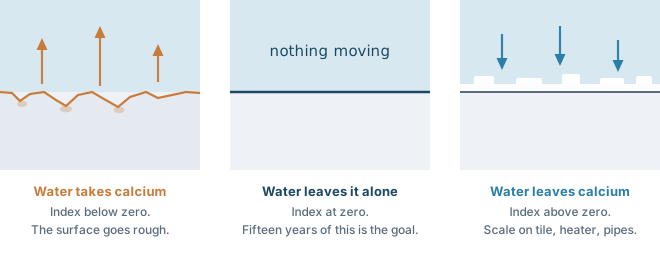
Negative LSI water is undersaturated. It wants more calcium, and it will steal it wherever it can find it. In a pool, the easiest source is the surface itself. Plaster, pebble, exposed grout, tile grout: all of those are calcium-based, and undersaturated water will leach the calcium right out of them. Over time you see the symptoms. Rough plaster. Mottled patches in the shallow end. A finish that wears out years before it should have.
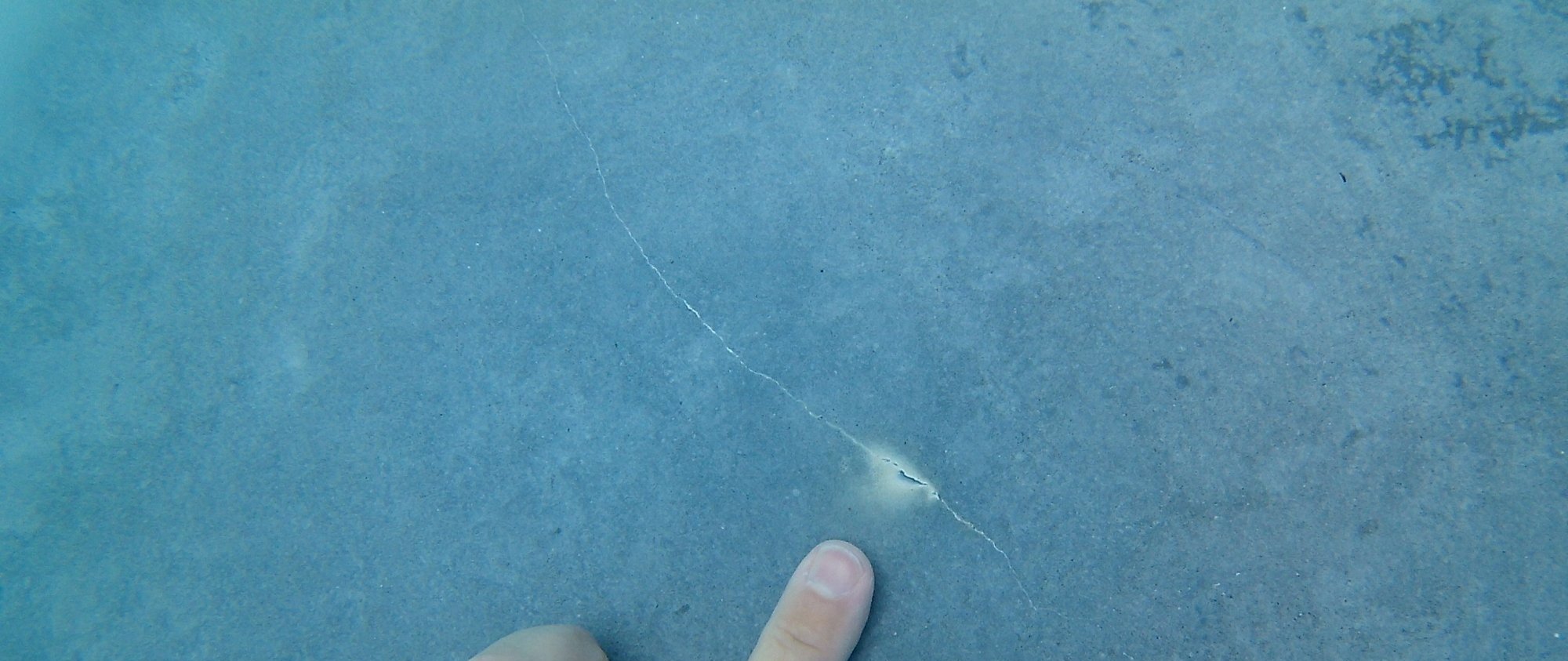
One honest caveat about leaching. Plaster can leach calcium even when the water IS in balance. Not every plaster job goes in perfectly. Pockets of trapped water, small puncture holes, areas where the plaster didn't cure correctly because the 28-day start-up chemistry wasn't managed carefully: any of those creates a weak spot in the surface, and weak spots leach calcium no matter what the LSI says.
This is one of the reasons proper start-up matters so much, and it's why we don't automatically blame the water when we see leaching on a customer's pool. We look at the pattern of the damage, the age of the plaster, the maintenance history. Sometimes the water did it. Sometimes the plaster was compromised from day one. Often it's some of both, each making the other worse. Knowing the difference is what tells us how to fix the right problem.
When the water is full
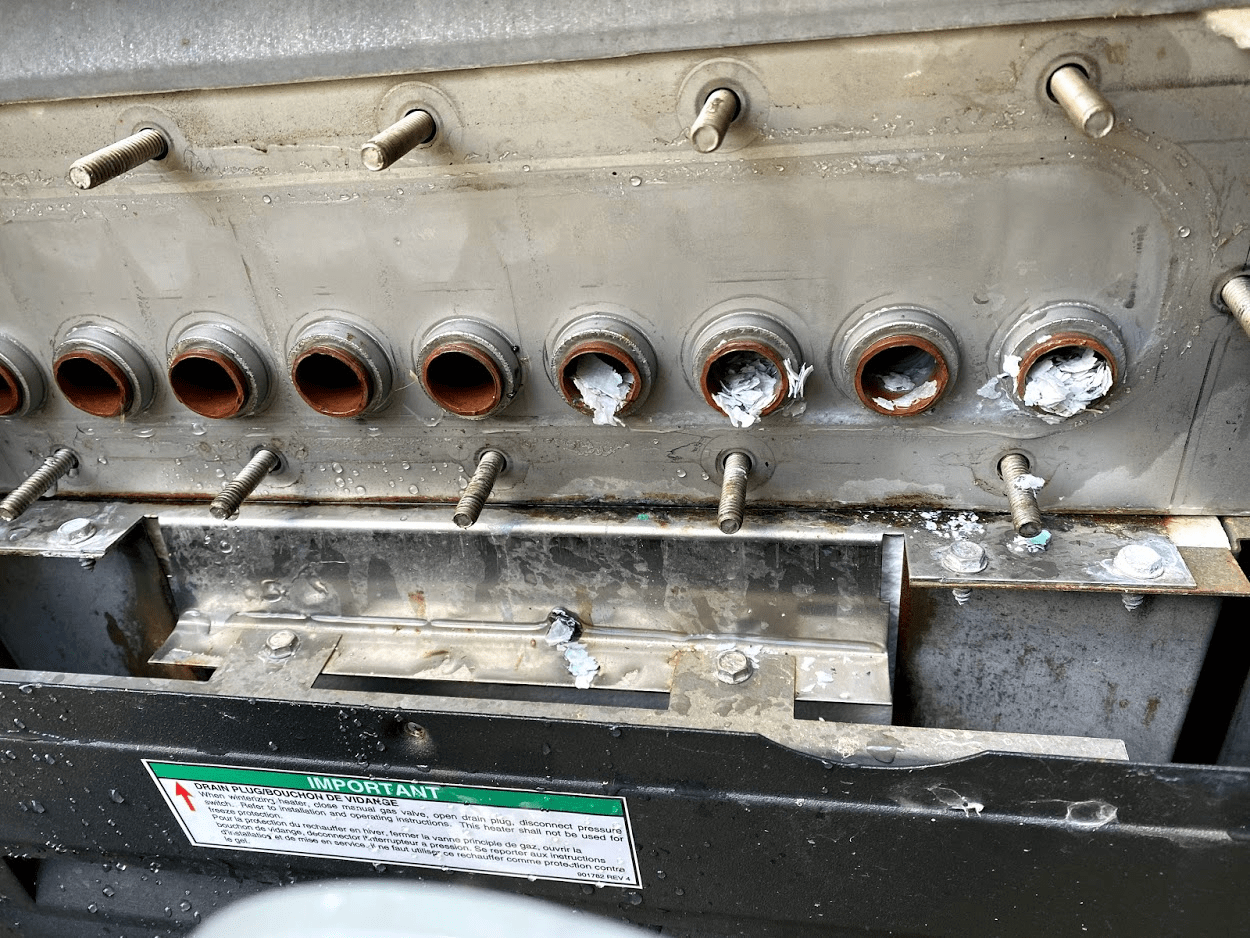
Positive LSI water is supersaturated. It has more calcium than it knows what to do with, and the excess starts coming out of solution as scale. White deposits creeping along the tile line. Crusty buildup on heater elements. The inside of the pipes narrowing year over year.
Both are bad. The entire job of a pool service that knows what it's doing is to keep the LSI as close to zero as possible, week after week, season after season.